
PHOTO
Australia has many remote gems that resist convenience, but are well-worth the effort. For travellers who have covered the usual routes, these locations demand planning, time, and a tolerance for things not going to schedule. In return, they offer something rare in current times: Space, quiet, and a sense of arrival somewhere fresh that feels earned.
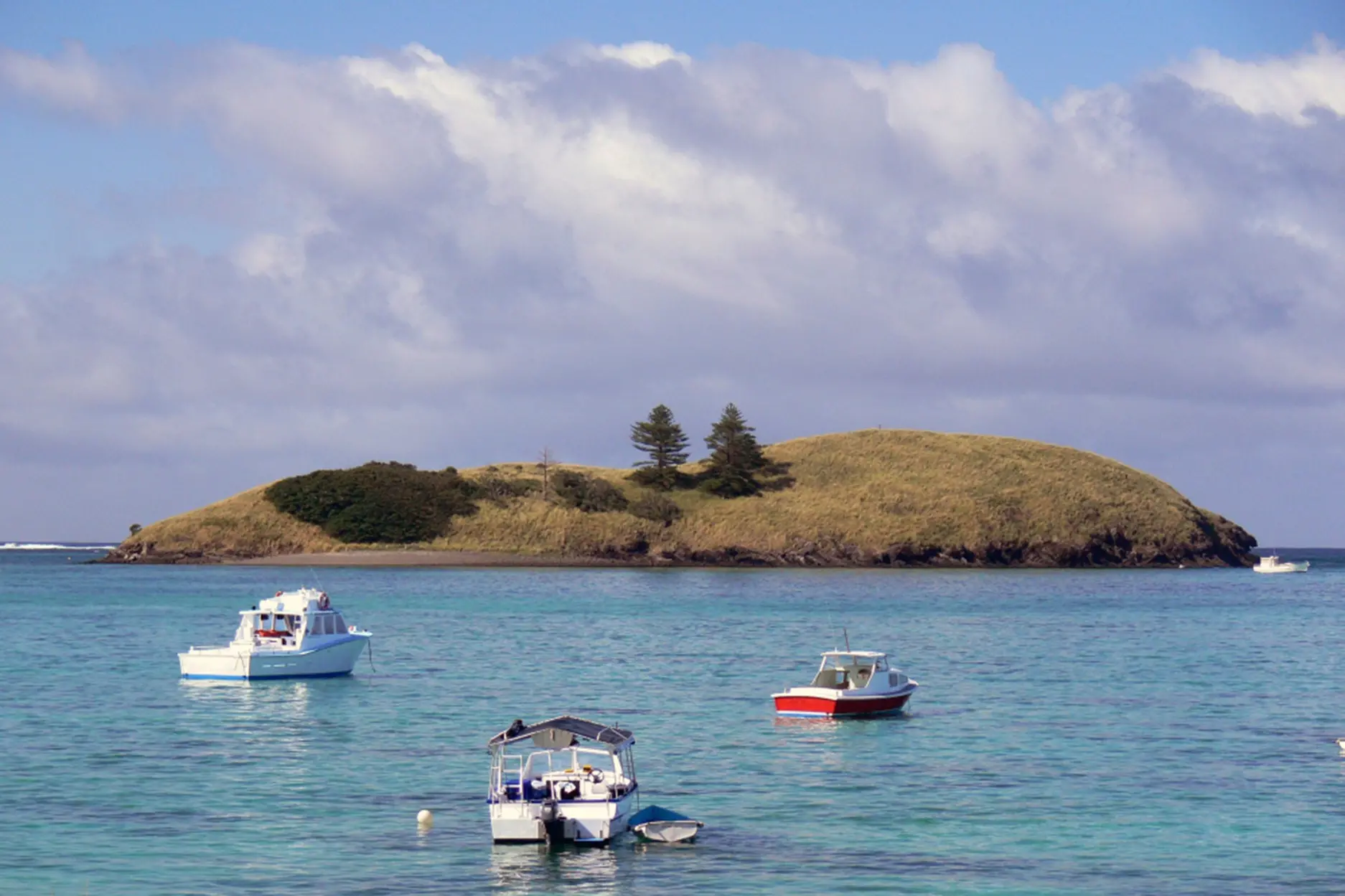
Lord Howe Island, New South Wales
For travellers short on time, but still wanting to bypass commercial routes, some choose to book a private jet to access tightly controlled destinations like Lord Howe Island, where commercial capacity is deliberately limited.
Flights to Lord Howe Island are capped at around 400 visitors at any one time, and seats often sell out months ahead. The two-hour flight from Sydney or Brisbane can be delayed by weather, and there is no quick alternative if plans shift.
What to Expect on Arrival
Once you land, the pace changes immediately. There are no traffic lights, and most people get around by bike. The Mount Gower hike takes close to eight hours return, with ropes required on the upper sections. At the top, you look across a tight ring of mountains dropping into the ocean. Offshore, the reef sits within swimming distance of the beach, so snorkelling does not require a tour or a boat. You step in, and you are already in it.
Cape York Peninsula, Queensland
Reaching the tip of Cape York is less about distance on a map and more about the adventure the road provides. From Cairns, the drive can take a week or more depending on conditions. River crossings like the Jardine can stop traffic entirely during the wet season, and even in the dry, a high-clearance 4WD is not optional.
Driving the Old Telegraph Track
The Old Telegraph Track remains the draw. It cuts through rainforest and creek lines, with sections that force slow, deliberate driving. After hours behind the wheel, places such as Fruit Bat Falls feel earned. Clear water, steady flow, no infrastructure beyond a rough track in. At the northernmost point, marked by a simple sign, you stand facing the Torres Strait. It is quiet, exposed, and a long way from anywhere familiar.
Maria Island, Tasmania
Maria Island looks close to main hubs on a map, but access is limited to a 30-minute ferry from Triabunna, and crossings can be cancelled in poor weather. Once there, movement is entirely on foot or by bike. There are no shops, no vehicles, and accommodation is restricted to basic huts or campsites.
Walking the Island Circuit
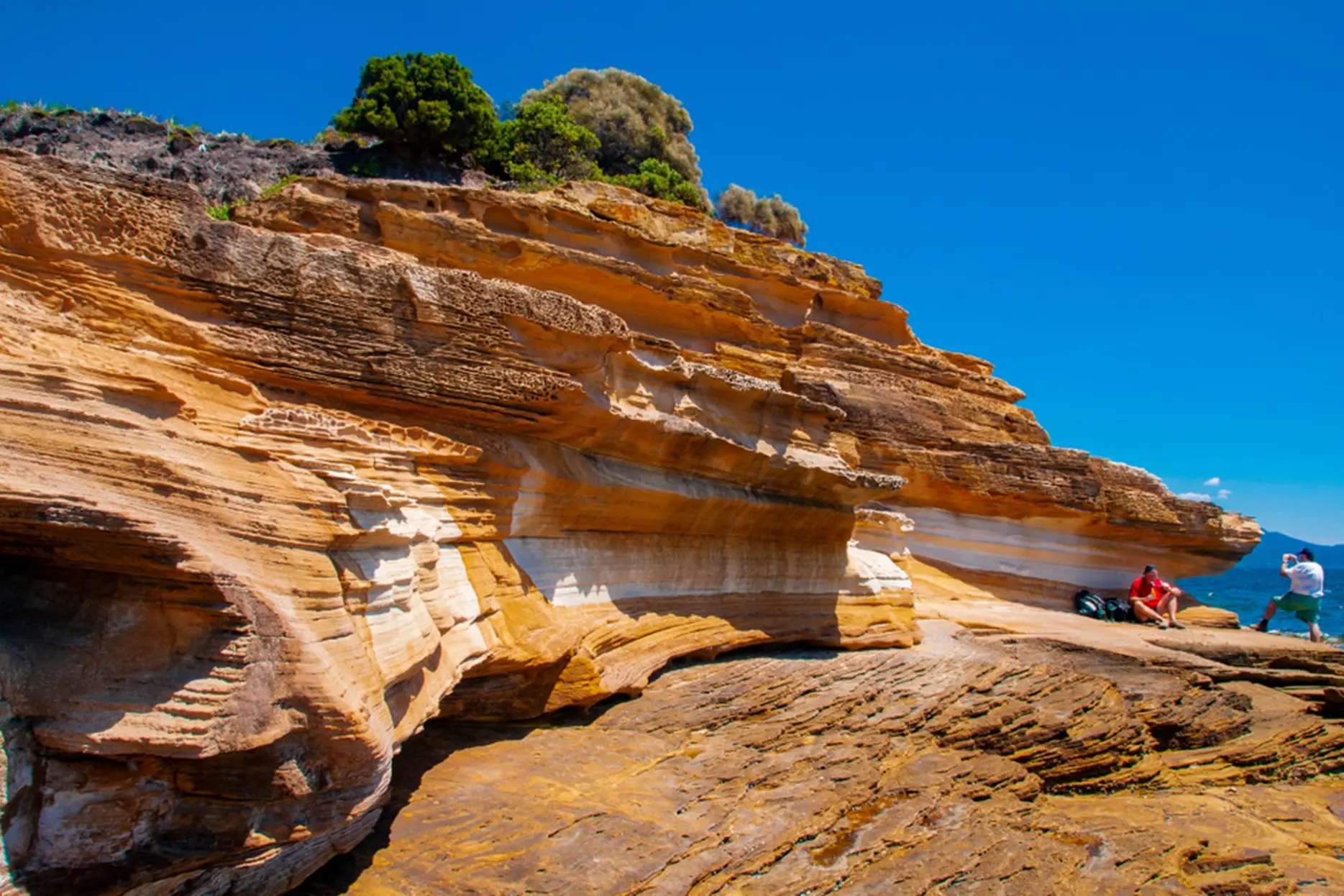
The island’s layout makes it easy to explore over two or three days. Wombats move across open grassland in daylight, often within a few metres of walking tracks. The Painted Cliffs are best visited at low tide, where wind and salt have cut sharp patterns into the sandstone. Inland, the climb up Bishop and Clerk takes most of a day and finishes with a steep scramble. At the top, you get a clear line over the Tasman Sea with very little else in sight.
The Kimberley, Western Australia
Distances in the Kimberley are difficult to judge until you are traversing the land. Flying into Broome or Kununurra is straightforward, but reaching key sites takes time, fuel planning, and often a high-clearance vehicle. Roads like the Gibb River Road stretch for hundreds of kilometres with limited services.
Accessing Key Sites
Some of the region’s standout locations require more effort again. The Bungle Bungles sit at the end of a long, corrugated access track, or a short flight if you are willing to pay for it. Horizontal Falls is best reached by boat or seaplane, where tidal shifts force water through narrow rock gaps at speed. In the wet season, access becomes restricted, but waterfalls appear across the escarpment. In the dry, roads reopen and travel becomes possible again, but the landscape shifts with it.
Macquarie Island, Subantarctic Region
Macquarie Island is not a casual addition to an itinerary. There are no commercial flights. Most visitors arrive on expedition ships departing from Hobart, with journeys taking several days each way. Landings depend entirely on sea and weather conditions, and schedules change without notice.
Visiting Under Strict Conditions
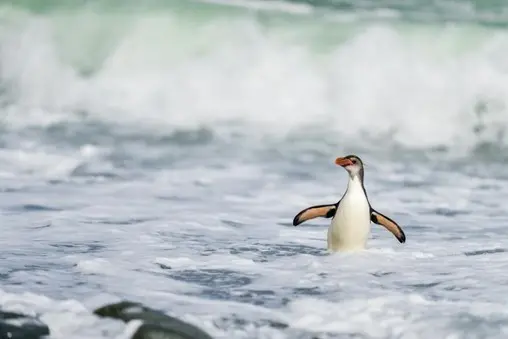
What draws people here is the scale and density of wildlife. Large king penguin colonies cluster along the shoreline, while elephant seals occupy long stretches of beach. There are strict controls on where visitors can walk, and time ashore is limited. There is no accommodation, no extended stay, and no independent travel. You arrive, spend a few hours on land if conditions allow, then return to the ship. The experience is brief but difficult to replicate anywhere else under Australian territory.
Why These Journeys Matter
For frequent travellers, the difference is often not what you see but what it takes to get there. Choosing places for convenience and easy access tends to flatten the experience. Flights run daily, infrastructure fills in, and places start to feel interchangeable.
These destinations work differently. Limited access shapes behaviour before you even arrive. You check tide charts, road conditions, flight caps, and seasonal windows. Plans stay flexible because they have to, and that uncertainty becomes part of the trip rather than a problem to eliminate.
Planning Without Overplanning
Preparation still matters: Permits for Cape York river crossings, ferry bookings for Maria Island, and flight availability for Lord Howe all need to be handled in advance. In remote regions like the Kimberley, fuel stops and basic supplies should be mapped out before departure.
At the same time, rigid schedules do not hold up well in these environments. Weather shifts, roads close, and transport delays happen without much warning. Leaving buffer days is a practical decision, not a buffer. Travellers who allow for that tend to get more from the experience than those trying to move too tightly between fixed points.
The Trade-Off Is the Experience
None of these places is convenient; reaching them involves extra cost, longer travel time, and fewer fallback options. However, those same constraints remove crowds, reduce noise, and change how you move through a place, and private travel makes this all the more unique and memorable. In a country defined by distance, that still counts for something. These destinations are not just harder to reach. They ask more of you before you arrive, and that effort carries through the entire experience.