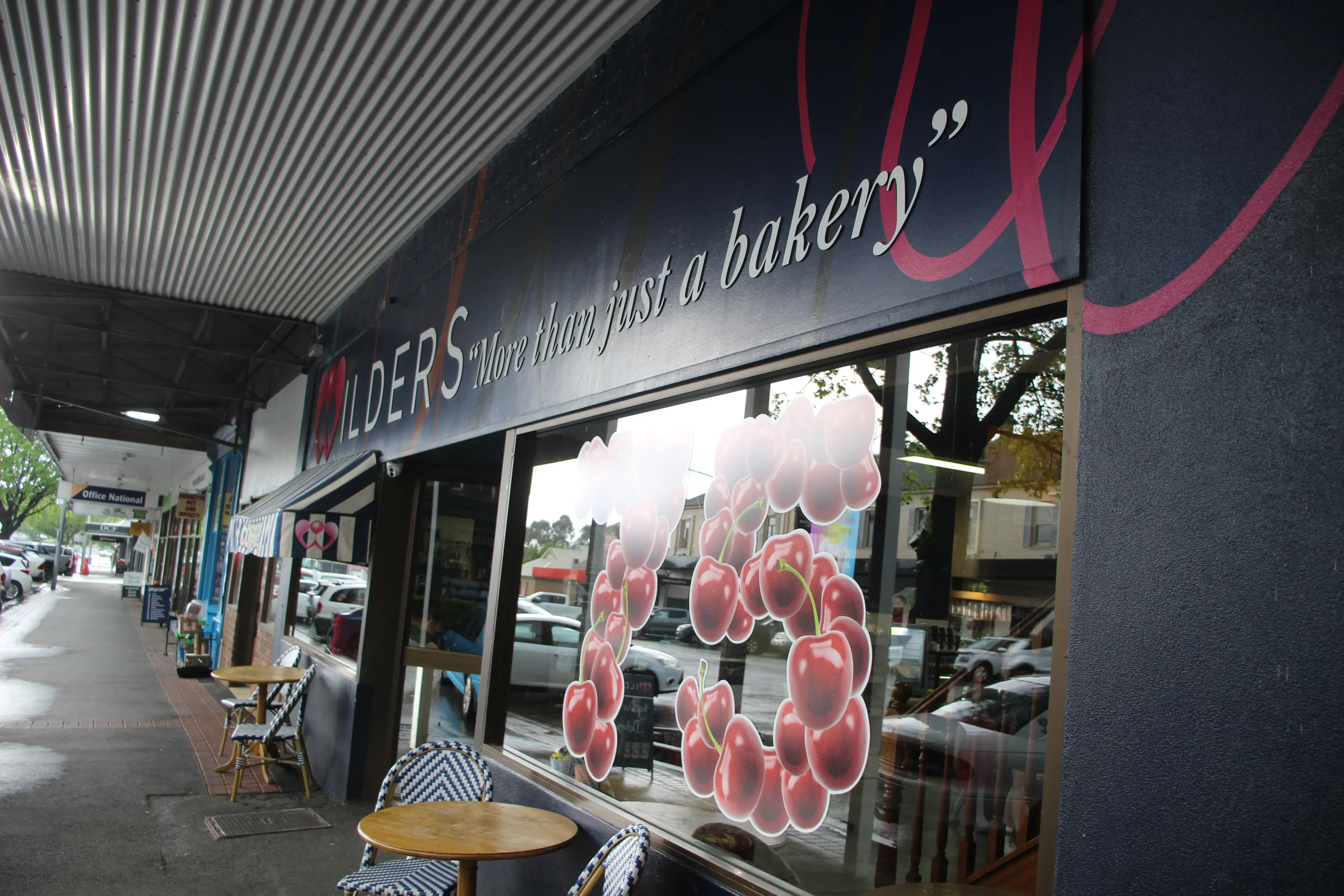
The Reserve Bank of Australia's decision to ban card surcharges have fallen flat with local business owners and experts alike. As of 1 October businesses are no longer able to pass on the cost of processing card payments, and it may mean prices rise as a result. Wendy Dunk is the owner of Wilder’s Bakery in Young and has been since 1989, when she took over from her parents. She points the finger at the payments banks require, and the costs already associated to running her business. “If it was all on an equal playing field, I’d be fine with that, but it isn't, and we constantly hear how many billions the banks are making," Ms Dunk said. "Fuel, electricity, GST, payroll tax, it just goes on and on. “We weren’t making any money on the surcharge, we were just trying to recoup our costs from the bank." Wendy does not intend to change her prices immediately, but is concerned she and her fellow business owners may end up having no choice. “I don’t just mean it’s just tough for me as a business owner, it’s tough for Joe Blow buying his pie and a Coke," she said. Wendy also signalled if businesses are forced to raise prices to accommodate their card fees, cash customers will be impacted. “We’d be lucky to be 20 per cent cash, there’s been a massive change there,” she said. “But when the EFTPOS machine goes down, it’s like World War III.” With the changes being made on the eve of Small Business Month, the irony was not lost on Wendy. “We’re seemingly absorbing all of these extra charges, and if you don’t pass it on, you go broke,” she said. NSW Small Business Advisory Program member Fiona Latham-Cannon said business owners are frustrated with state and federal government decisions. "Small businesses are already dealing with rising wages, insurance, utilities, rent and operating costs. Card processing fees are another genuine cost of doing business," Ms Latham-Cannon said. Ms Latham-Cannon said scrapping the surcharge does not make economic sense. "Banning card surcharges doesn’t eliminate the fee, it just hands the bill to small business," Ms Latham-Cannon said. "Making payments simpler for consumers is a reasonable goal, but shifting the cost doesn’t remove it. “Someone still pays, either the small business owner through reduced margins, or all of us through higher prices. "For regional businesses operating on tight margins, another seemingly small percentage can add up to thousands of dollars a year." With more than 40 years' experience in owning, managing and supporting small businesses, Ms Latham-Cannon says running a businesses today is as difficult as ever. "This decision is just another example of the red tape local businesses are facing, at a time when they need more support a move like this just makes things harder," she said. "We are seeing for the first time that the current generation is worse off than the previous. There are fewer incentives to running small businesses.