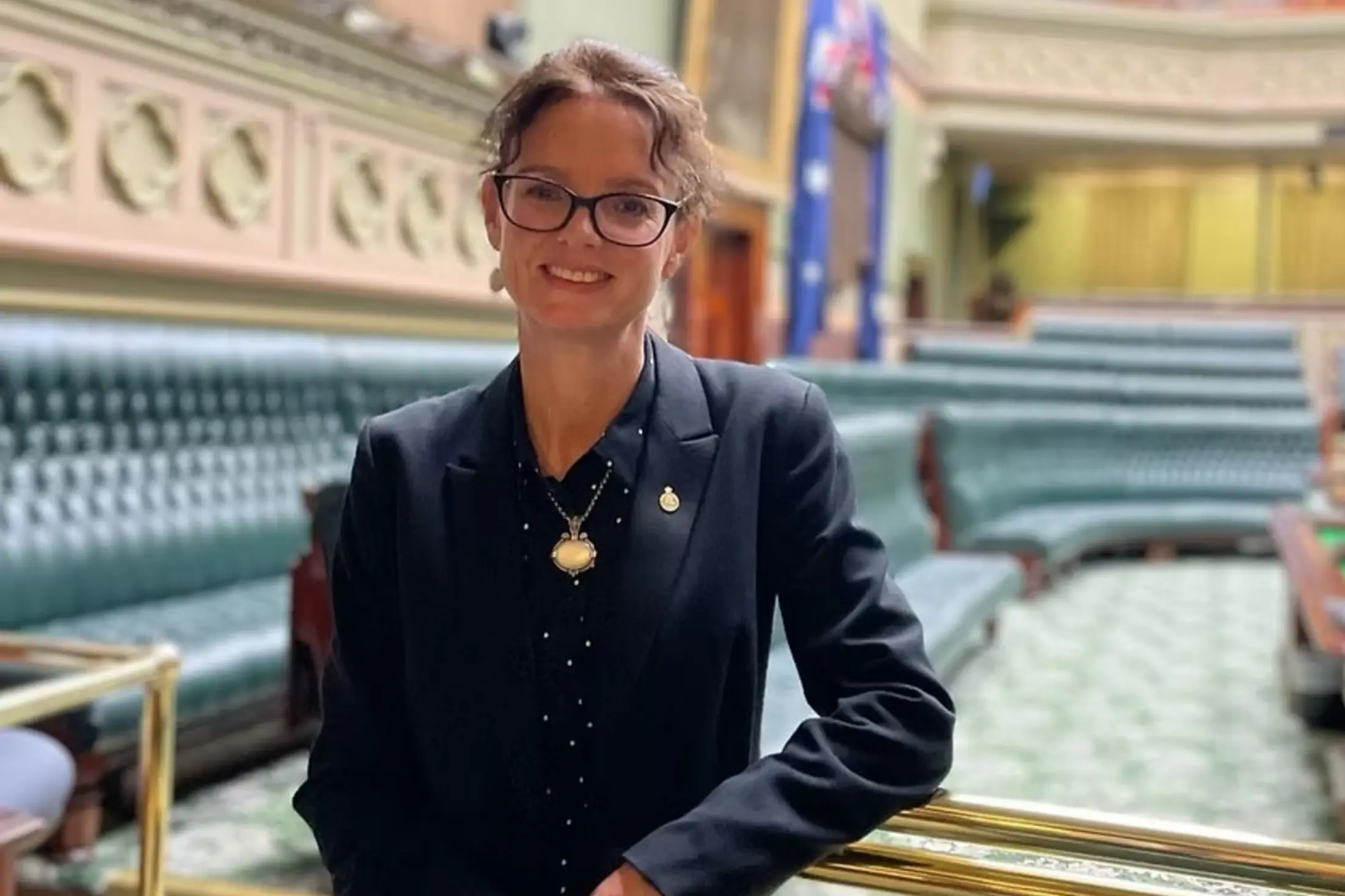
Member for Cootamundra Steph Cooke has congratulated the Boorowa United Hospital Auxiliary and the Boorowa Local Health Advisory Committee (LHAC) for working together to bring the Australian Skin Cancer Foundation bus to Boorowa.

Speaking in NSW parliament last week, Ms Cooke said thanks to the auxiliary and LHAC’s joint efforts and fundraising, residents can now get a free whole body skin check without needing to travel.

“This service helps many people. Being able to get checked for free could be a life-changing choice for those who take part,” Ms Cooke said.

“I thank the Skin Cancer Foundation for always supporting early detection, making care more accessible and helping to remove barriers. About 160 people have already used this great program.

“I am sure the people of Boorowa are grateful for this chance, and I thank both committees for their dedication.”

Ms Cooke said the partnership shows how community groups can join forces to help the people they serve.

“I look forward to seeing more projects like this throughout the Cootamundra electorate,” she said.

Australia has one of the highest melanoma rates in the world, with one Australian diagnosed with melanoma every 30 minutes. It remains the most common cancer among 20 to 39-year-olds, with an estimated 1300 Australians expected to lose their lives to the disease this year.

The latest hotspot data from the NSW Cancer Institute highlights a concerning trend in rural and regional areas, underscoring the urgent need for enhanced prevention and early detection efforts.

Women in the Murrumbidgee are at an even higher risk, with data showing they are more likely to be diagnosed with melanoma compared to the rest of NSW.

Overexposure to UV light causes 95 per cent of melanoma cases. To reduce the risk, seek shade during peak sun hours, wear sun-protective clothing, and use a broad-brimmed hat. Protect your eyes with wrap-around sunglasses that meet Australian standards and apply SPF 50+ sunscreen every two hours, especially after swimming or exercise.

Dr Tracey Purnell, a Wagga Wagga skin cancer GP, emphasised the importance of early detection.

“At any time, potential skin cancer signs will become visible in the form of new spots, or a change in the colour or shape of pre-existing spots,” Dr Purnell said.

“That's why it's important to get to know your skin and check it regularly. If you notice any changes, visit your GP as soon as possible. The sooner skin cancer is found, the easier it is to treat.”