
PHOTO
72921.0
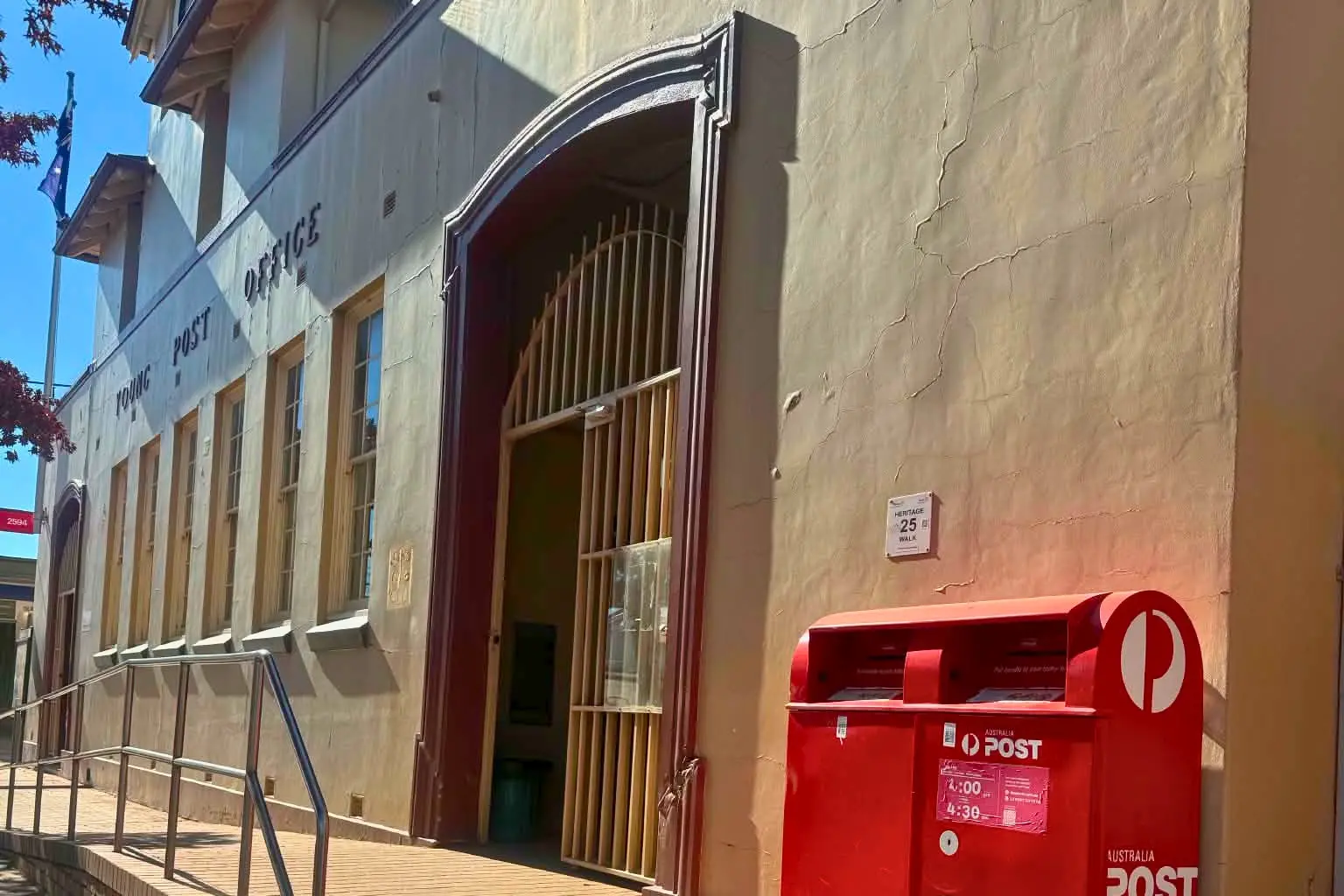
The future of face-to-face postal, banking and government services in communities such as Young, Harden and Boorowa is under scrutiny as a Senate inquiry examines the management of Australia Post’s retail network.
Community members, businesses and Licensed Post Office operators have until August 7 to make submissions to the inquiry, which is examining the future of regional post office services.
While no changes have yet been announced for Hilltops post offices, LPO Group chair Scott Etherington says the inquiry comes at a critical time for regional communities that rely on their local post office for far more than sending letters and parcels.
A local Licensed Post Office operator advised that operators were not allowed to speak to the media about the inquiry and referred questions to the LPO Group, which represents about 2,800 Licensed Post Offices across Australia.
Mr Etherington, who operates the post offices at Gulgong and Dunedoo in regional NSW, said the challenges facing local licensees were ones he experienced himself.
“The core problem is that Australia Post’s strategic focus has moved towards parcels and away from the retail counter that regional communities actually rely on,” he said.
“In pivoting away from services towards a Parcel First model, Australia Post is removing products and services from post offices.
“A reduced product offering means fewer people visit, which in turn reduces income for local owners and, ultimately, could lead to the post office’s closure.”
Australia Post says declining letter volumes and changing customer demand have driven reforms aimed at faster and more reliable parcel deliveries.
Its Statement of Corporate Intent also describes Australia Post as a touchstone for regional, rural and remote communities, providing access to financial, identity and government services while continuing to refine its retail network to meet changing customer needs.
Australia Post operates 4,118 post offices nationally, including 2,523 outside major cities. About 2,900 are Licensed Post Offices.
Mr Etherington said those figures did not always reflect changes to services, claiming some full-service country post offices had been replaced by limited Parcel Agents that could not necessarily provide services such as Bank@Post, bill payments, passport applications and identity checks.
For many Hilltops residents, the local post office is now the only place to access face-to-face banking, collect parcels, verify identity documents or complete government transactions without travelling to a larger centre.
“In many regional towns, the post office is Australia's Front Counter,” Mr Etherington said.
“It is the last place you can do your banking face to face through Bank@Post after the banks have left, the place you collect parcels, pay bills, prove your identity and access government services.”
Mr Etherington said older residents, people without reliable internet and those who were not confident using digital services would be most affected by any reduction in face-to-face services.
“For older residents and anyone without reliable internet, that is not an inconvenience; it is disenfranchisement.
“Once these services leave a town, they rarely, if ever, come back.”
The Senate inquiry will examine the sustainability of the Licensed Post Office network, Australia Post’s dealings with licensees, services in regional and rural communities, and the future role of post offices. It will also consider a leaked internal Australia Post document and whether information previously provided to Parliament accurately reflected the organisation’s plans for its retail network.
A Senate inquiry gathers evidence before making recommendations to Parliament.
Mr Etherington said evidence from local operators and residents was important because national figures could conceal what was happening in smaller communities.
“Aggregate figures from Australia Post smooth over what is happening town by town,” he said.
“It is the licensee in Harden or Boorowa who can tell the committee what it costs to keep the doors open, what happened to their payments over the last five years, and what their customers lose when products or services disappear.”
Mr Etherington said the LPO Group wanted the Senate to recommend a "Services First" model that would strengthen post offices as community service hubs through expanded Bank@Post services, more government partnerships and stronger protections for face-to-face services in regional Australia.
Australia Post says it must balance its community obligations with financial sustainability as letter volumes decline, operating costs rise and customers increasingly rely on parcel delivery and digital communication.
The Senate committee will consider those competing pressures before reporting to Parliament later this year.