
PHOTO
Rural patients travelling long distances for specialist medical treatment are being hit by rising fuel and accommodation costs, with calls growing for the NSW Government to increase financial support under the Isolated Patients Travel and Accommodation Assistance Scheme (IPTAAS).
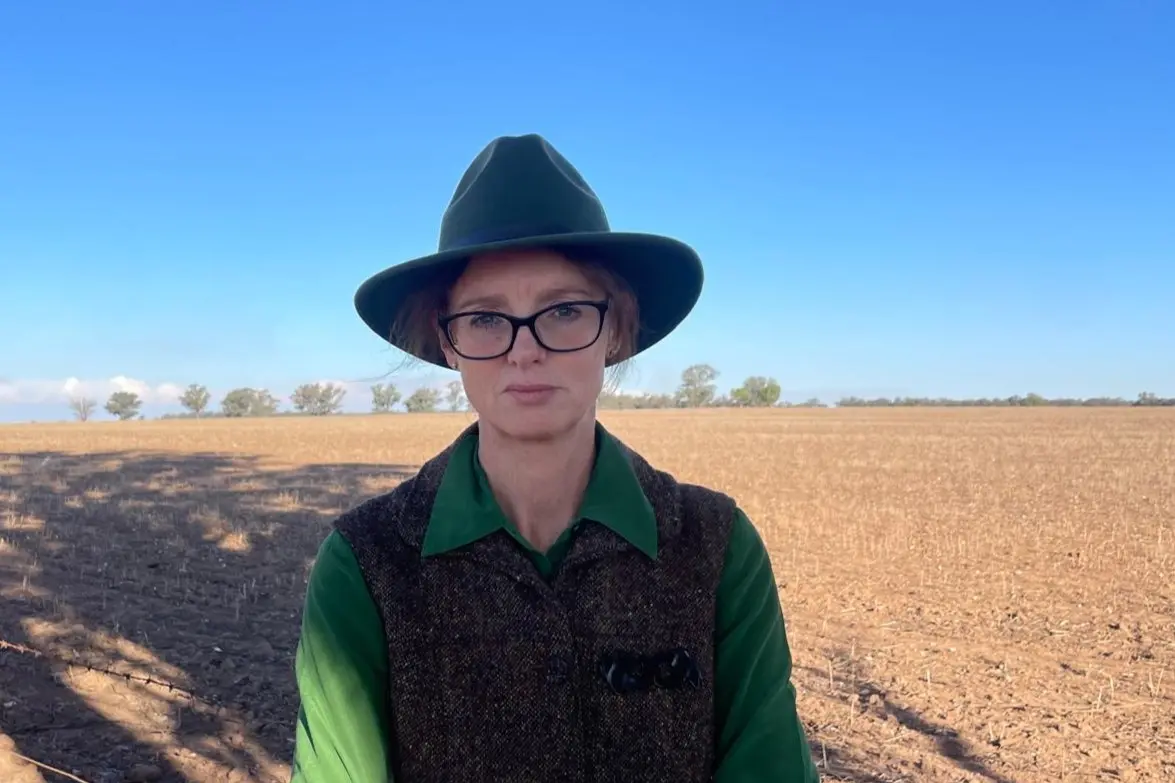
Member for Cootamundra Steph Cooke raised the issue in NSW Parliament this week, describing IPTAAS as a “critical lifeline” for country patients who are forced to travel outside their hometowns to access lifesaving care.
For many Hilltops residents, specialist treatment can mean regular trips to Canberra, Wagga or Sydney — often requiring overnight stays, time away from work and family, and mounting out-of-pocket costs on top of existing health pressures.
Cooke said the current subsidy rates no longer reflect the real costs faced by rural families already under pressure from the rising cost of living.
“I reiterated my calls for an increase in subsidy rates in the NSW Parliament this morning,” she said.
“I give notice that on the next sitting day, I will move that this House notes that the Isolated Patients Travel and Accommodation Assistance Scheme is a critical lifeline for rural patients who must travel for lifesaving care.”
Cooke also told Parliament the current assistance levels were failing to keep pace with rising costs.
“Acknowledges that the current subsidy rates no longer reflect the real and rising costs of fuel and accommodation, placing an unfair financial burden on an already vulnerable group,” she said.
Under the current scheme, eligible patients travelling by private vehicle receive a fuel subsidy of 40 cents per kilometre, while accommodation assistance starts at $75 per night for the first seven nights — figures critics say no longer match the reality of regional travel expenses.
Cooke called on the NSW Government to urgently review and increase the financial assistance available under the scheme to ensure equitable access to healthcare for rural communities.
The issue is expected to resonate strongly across regional NSW, where patients often travel hundreds of kilometres for treatments, specialist appointments and medical procedures unavailable in smaller rural centres.