
PHOTO
68754.0
Behind the smiling customer service, carefully styled shopfronts and constant social media posts, many small retail business owners across the Hilltops are quietly carrying a whole lot of pressure.
While many local businesses continue to put on a positive face for customers, the reality behind the scenes is becoming increasingly difficult.
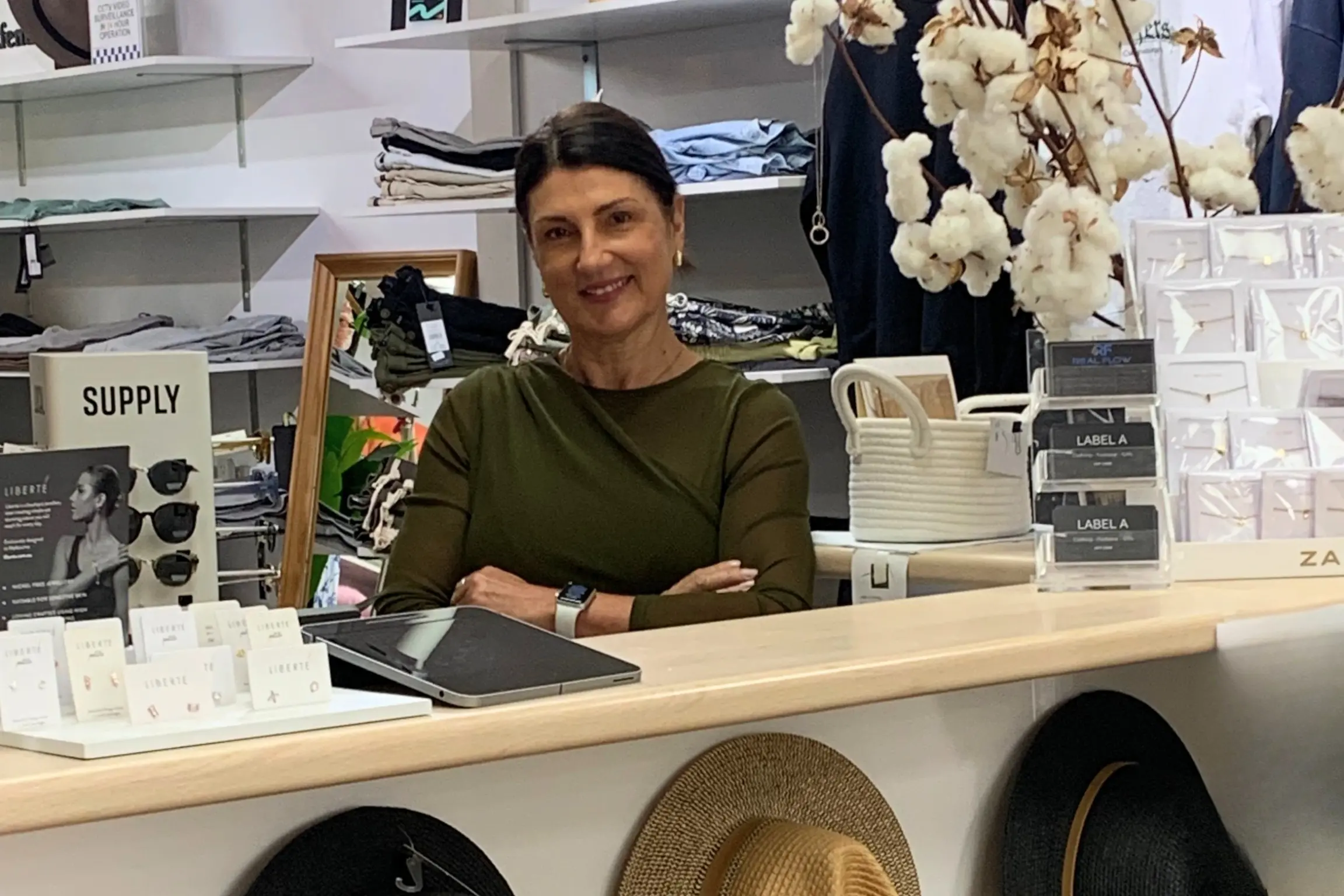
“People often assume that if a shop looks busy online or owners are constantly posting on social media, everything must be going well,” said Alison Foreman, owner of Label A in Young.
“But the truth is many small business owners are working harder than ever just to stay where they are.”
Ms Foreman, who also serves as a Hilltops Councillor, said rising operating costs combined with more cautious customer spending had created significant strain across the retail sector.
“As we know everything has gone up — insurance, freight, power, wages, rent, supplier costs — but our customers are under pressure too,” she said.
“A lot of families are simply watching every dollar right now.”
Ms Foreman said many business owners had also been watching recent Federal Budget announcements closely but felt the immediate pressure on small businesses was still not being fully addressed.
“There’s been a lot of discussion around long-term economic reform, but many small businesses are worried about surviving the here and now over the next 12 months,” she said.
“The pressure needs to be eased by addressing the immediate day-to-day struggles businesses and households are facing.”
She said one of the biggest misconceptions about small business ownership was that business owners simply “switch off” after closing time.
“There’s this constant pressure to keep promoting yourself, keep creating content, keep coming up with ideas, keep finding ways to get people through the door,” she said.
“For many small business owners, especially in regional towns, you wear every hat yourself.”
Ms Foreman said many local business owners deeply care about their communities and continue giving back despite the rising challenges.
“These businesses sponsor local events, donate prizes, support schools and sporting groups, employ locals and help create the character of our towns,” she said.
“That contribution can go unnoticed, she said, because people see the finished product — the nice shopfront or the fun Facebook posts — not the daily grind and financial pressure behind it.”
Despite the challenges, she believes local retail remains an important part of maintaining vibrant regional communities.
“When small businesses disappear, towns lose more than shops,” she said.
“They lose personality, connection and local identity.”
Rather than calling for sympathy, Ms Foreman hopes the conversation simply encourages greater awareness of the impact local spending decisions can have.
“People don’t have to spend huge amounts,” she said.
“But even choosing local where possible — buy a gift locally, grab a coffee when you are out, share a business post or recommend someone to a friend — it all matters.”
She said regional business owners were resilient by nature but many were becoming emotionally or physically exhausted trying to keep everything afloat.
“I think a lot of business owners are feeling pressure quietly,” she said.
“They keep showing up because they care about what they’ve built and they care about their community.”
And while economic conditions may eventually improve, she believes local support and understanding will remain critical to keeping small-town retail alive.
“These businesses are run by real people,” she said.
“Behind every shopfront is usually someone carrying a lot more than most people realise.”