
PHOTO
It is surprising how often people ask the question “How come NASA went to the moon over 50 years ago but hasn’t returned there since?”
In fact, NASA has sent dozens of unmanned spacecraft to either orbit or land on the moon over the past three or more decades.
These missions have provided a wealth of information, from mapping the lunar surface in intricate detail to discovering water ice near the moon’s South Pole.
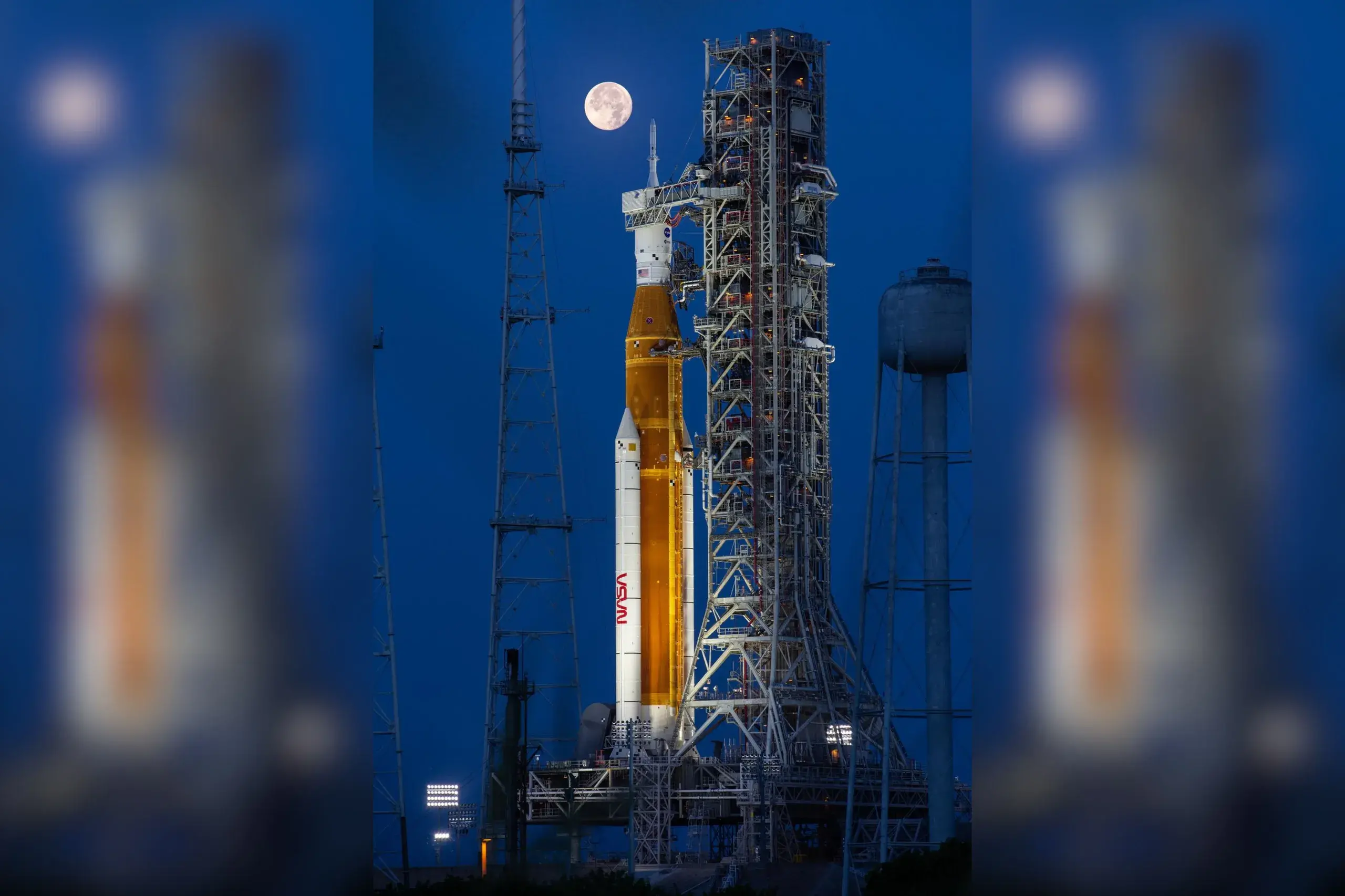
NASA also has definite plans to return people to the moon with the Artemis Program, using the Space Launch System (SLS) rocket system and the Orion Capsule.
The NASA program that first landed humans on the moon in the late 1960s and early 1970s was named after Apollo in Greek mythology.
To the Ancient Greeks, Apollo was thought to be the god responsible for, among other things, music and poetry, but especially (appropriately enough) light and the sun.
NASA’s new program to return humans to the moon is named after Artemis in Greek mythology.
The name Artemis represents a nice example of inclusion and symmetry.
To the Ancient Greeks, Artemis was the twin sister of Apollo, and Artemis was thought to be the goddess of, among other things, the hunt, the wilderness and wild animals, and (very appropriately) the moon.
The goddess Artemis was also known as Diana to the Ancient Romans.
Artemis is not a new program.
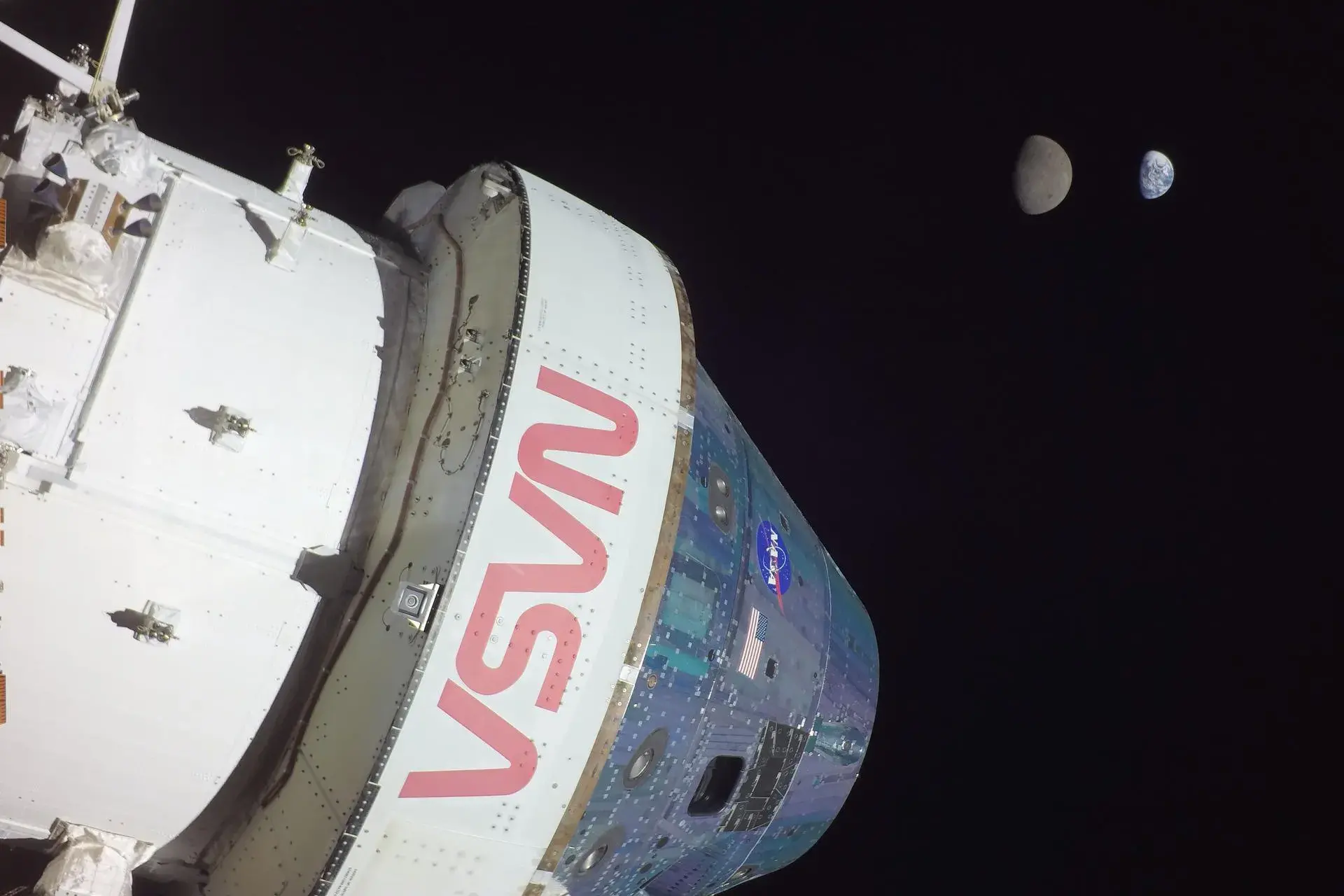
Artemis 1 was launched at the Kennedy Space Centre, Florida by NASA in mid-November 2022 and spent just under a month flying to the moon, orbiting several times, and returning to earth before splashing down in the Pacific Ocean.
However, as a precaution, the first Artemis Mission didn’t carry a crew and instead was controlled remotely from earth.
NASA even strapped crash-test dummies into the seats of the Orion capsule.
The main purpose of the Artemis 1 mission was to test all the systems to check that it was safe for human flight during all stages of the mission.
It was basically a dress rehearsal for Artemis 2 and it was ultimately a spectacular success.
A little more than three years later, after tweaking a few things learnt from Artemis 1, Artemis 2 is almost ready to take the first human crew back to the moon since Apollo 17 back in December, 1972.
Indeed, Artemis 2 was meant to launch in early February, but a final dress rehearsal of the launch revealed some technical issues with the rocket during fuelling which needed to be sorted out.
NASA has recently announced that Artemia 2 is now expected to launch no earlier than April 2026.
The delay is frustrating but space travel is extremely dangerous, and very complex, so it is crucial that all unnecessary risks are eliminated.
Artemis 2 won’t land on the moon’s surface.
That will be the role of Artemis 3 and Artemis 4 from around 2028.
After launch, Artemis 2 will complete a full orbit of earth where the crew will check various systems on the spacecraft.
If everything is functioning correctly, the spacecraft’s rocket will be fired again, and the crew will head to the moon.
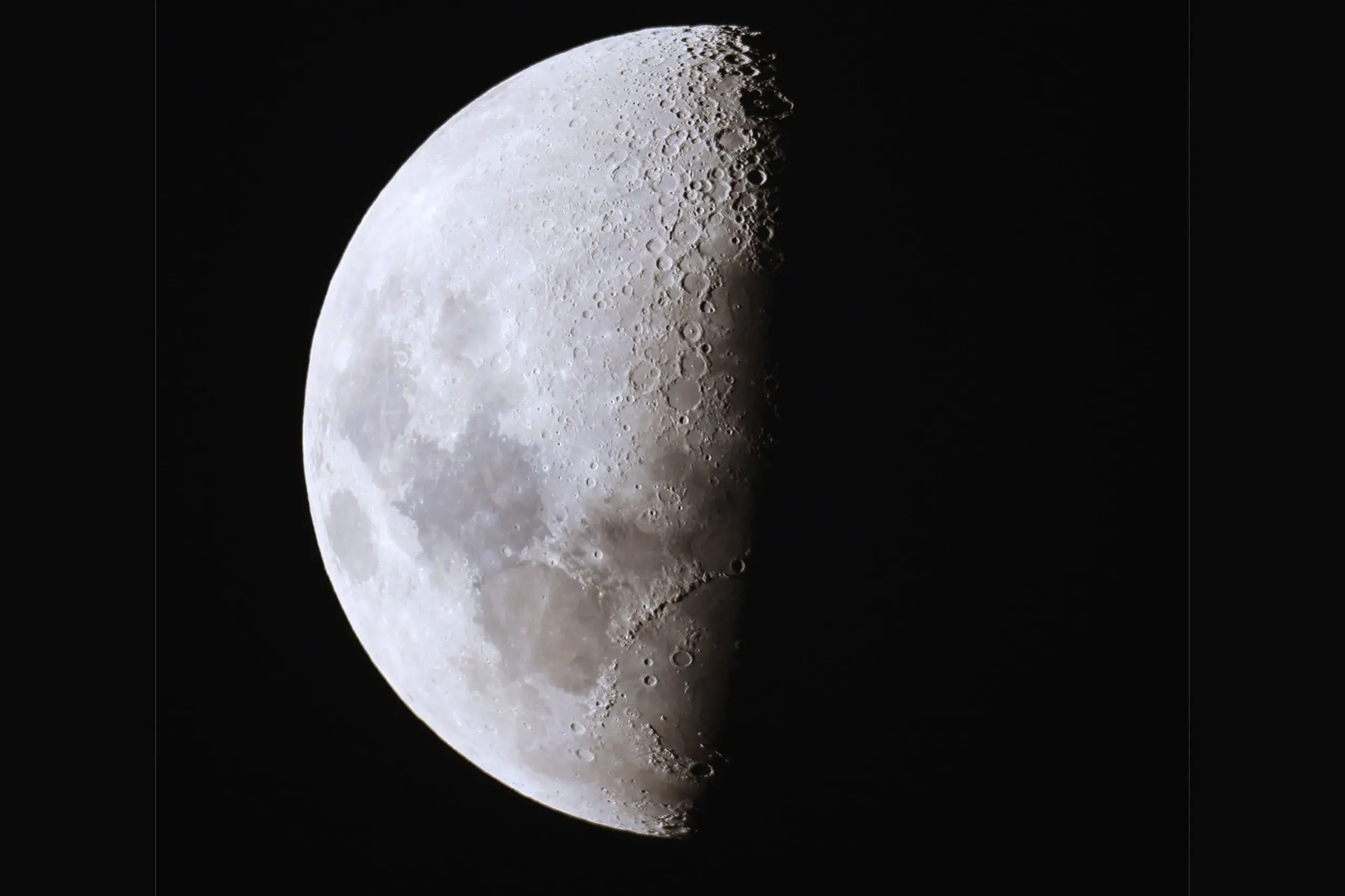
When the crew arrive, they won’t go into lunar orbit but will instead fly around the far side of the moon, picking up enough speed to escape the moon’s gravity and return to earth.
The mission’s flight path is basically an enormous “figure 8”, and all the while testing the spacecraft’s systems during its 10-day mission.
Artemis 2’s crew consists of NASA’s Reid Wiseman (commander), Victor Glover (pilot), and Christina Koch (mission specialist), and the Canadian Space Agency’s Jeremy Hansen (mission specialist).
It is hoped that the Artemis 2 spacecraft has a successful launch in April and that the crew completes a successful mission and returns to earth safely.
However NASA is definitely returning to the moon, and soon.
If you would like to learn more about the Artemis 2 mission, space exploration in general, astronomy or photographing the beauty of the night sky, members of the public are welcome to attend the next meeting of the Central West Astronomical Society, free of charge, in the Sunset Room upstairs in the Parkes Services Club in Short Street on Friday, 6 March at 7.30pm.
This month’s guest speaker, Trevor Barry “The Outback Astronomer”, promises to be fascinating.
Trevor has established an international reputation discovering phenomena on planets such as Saturn, and organisations such as NASA regularly consult him.