
PHOTO
74661.0
For many older people and their families, the hardest part of aged care is not recognising that a little extra help might be useful.
It is knowing what to do next.
Perhaps Mum is finding the housework harder. Dad is struggling to get to appointments. Shopping, cooking or showering may be becoming more difficult.
Those changes do not necessarily mean someone needs a high level of care, but they can be signs that it is time to start asking questions.
You don’t have to understand the aged-care system before you ask for help.
Mercy Health Home Care Group Media and Communications Consultant Michelle McCarthy said people should not wait until everyday tasks became difficult before finding out what support was available.
“It’s never too early to start exploring what support is available,” Ms McCarthy said.
“Starting the conversation early gives people more time to understand their options and make informed decisions about the support that is right for them.”
For people seeking government-funded aged-care support, the formal starting point is My Aged Care.
An older person can apply online or call 1800 200 422. A family member or trusted person can help, and a GP or other health professional can also make a referral.
Applying does not commit someone to accepting services or moving into residential aged care. It simply starts the process of finding out what help they may be eligible for.
You can start with someone local
Across the Hilltops, local services can also help people understand where to begin.
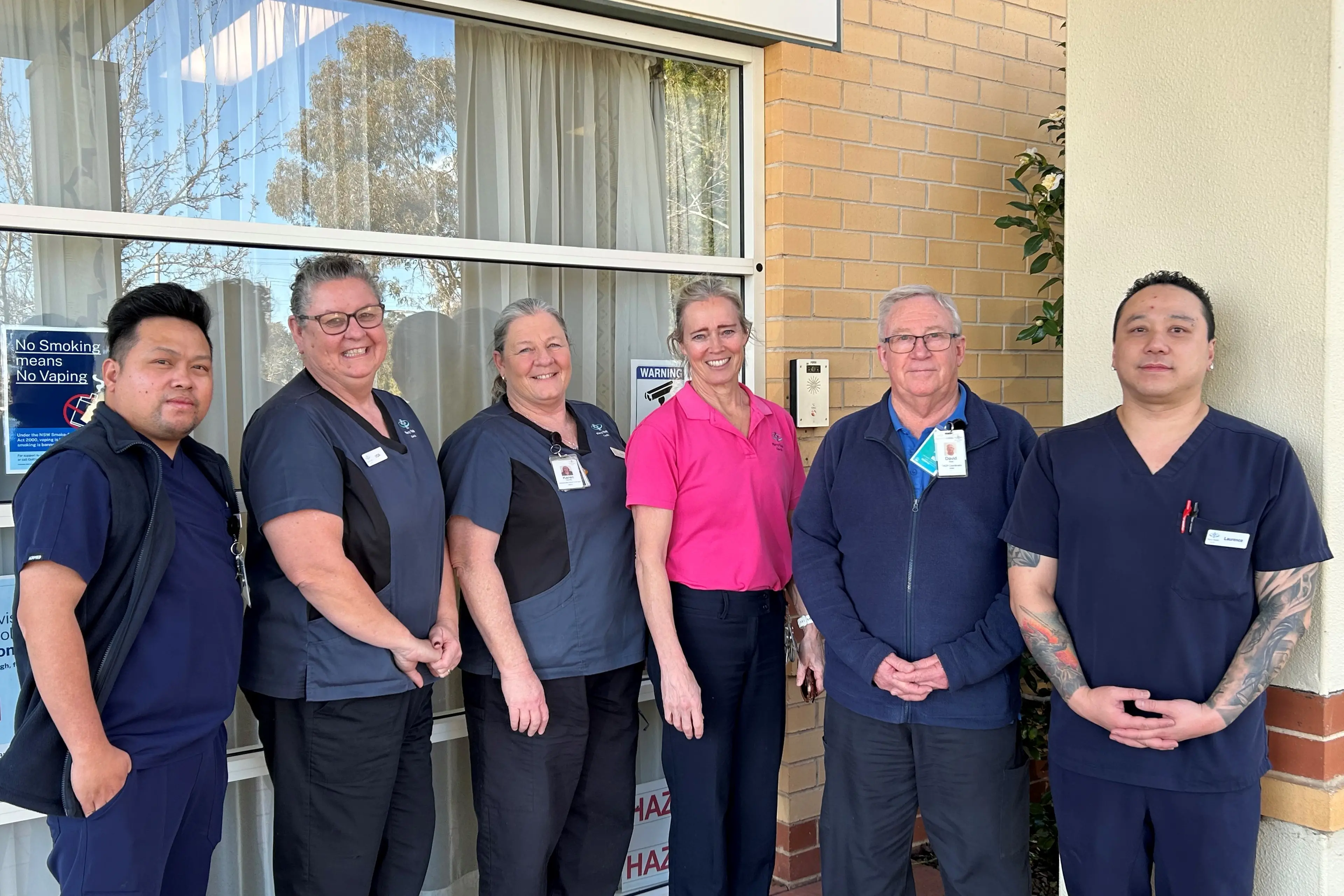
In Harden-Murrumburrah, Murrumburrah-Harden Flexible Care Services chief executive officer Maryanne Fitzgerald said people were welcome to contact the service directly.
“Pop in in-person – we are located at 27 East St Harden, ‘Trinity Centre’ near the library, via phone 6386 3561, or visit our website for all information,” Ms Fitzgerald said.
The organisation provides services including transport, meals, personal care, domestic assistance, yard and garden help, and social support.
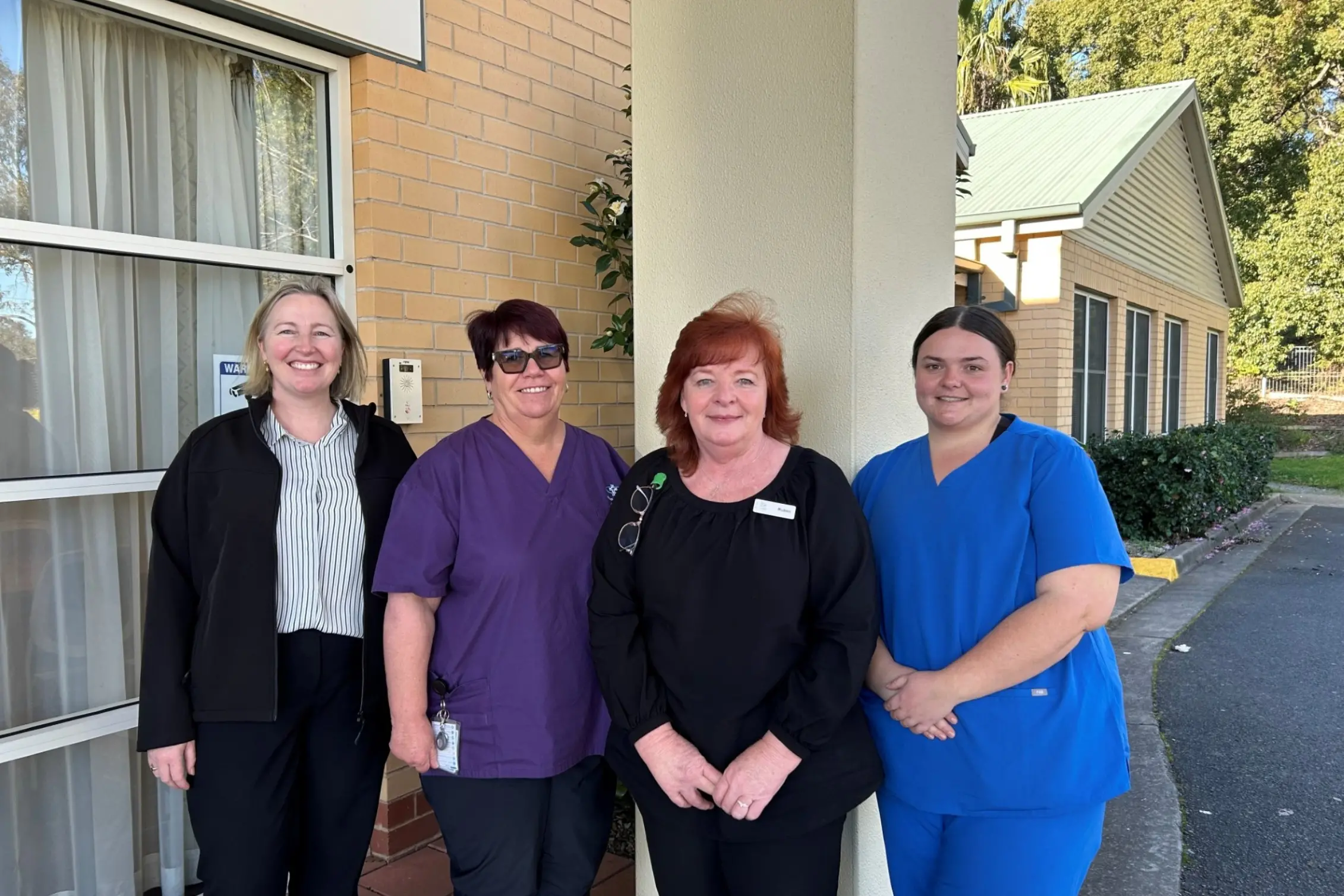
Mercy Health Home Care also provides guidance in Young.
“We regularly hear from people who aren’t sure where to begin, and we can provide guidance at every stage,” Ms McCarthy said.
That can include explaining the My Aged Care process, directing people to the right contacts and helping them navigate the application.
In Boorowa, Valmar Community Aged Services also advises that it can assist people with assessment, eligibility and registration through My Aged Care.
Coast and Community Services is another provider operating across parts of the Hilltops, offering services including transport and social support.
Sometimes the first step can simply be calling a local service and saying: “I think we might need some help. Where do we start?”
What happens after you apply?
Once an application or referral has been made through My Aged Care, the person’s needs are assessed.
For local residents, assessments are conducted by the Murrumbidgee My Aged Care Assessment Team.
The assessment looks at what the person can still manage, what has become difficult, their health and mobility, their home environment, existing support and what they want to continue being able to do.
A family member, carer or trusted person can be involved.
It is important to describe everyday life realistically.
Someone may still be able to vacuum, but only with pain or exhaustion. They may still shower independently but feel increasingly unsteady.
Those details help the assessor understand what support may make everyday life safer and easier.
What happens after approval?
After assessment, the person receives an outcome and support plan based on their needs.
That may include entry-level help through the Commonwealth Home Support Program, ongoing assistance through Support at Home, short-term support or, where necessary, residential aged care.
Being approved does not mean services automatically begin or that the person must accept everything offered.
They remain involved in deciding what support they want and which provider they would like to use.
This is where providers such as Mercy Health Home Care, Valmar and Murrumburrah-Harden Flexible Care Services may become involved in delivering support.
Ms McCarthy said Mercy Health Home Care could also help from the beginning.
“Early involvement often leads to better outcomes because we can help people navigate the assessment process and think about not only their current needs, but also the support they may benefit from in the future,” she said.
Help can mean more than personal care
Aged care at home does not necessarily mean someone coming in every day to provide hands-on care.
Support might be transport, cleaning, meals, lawn maintenance, social support, a personal alarm, mobility aid or home modification.
Ms McCarthy said many people were surprised by the breadth of help that may be available, including assistive technology, mobility aids, ramps and falls-prevention programs.
##Not every service starts with My Aged Care
Not every service an older person needs comes through the aged-care system.
Mercy Care Centre Young, for example, provides rehabilitation, community nursing, palliative care, physiotherapy, occupational therapy, social work and other health services across Young, Harden and Boorowa.
People can self-refer to its community and outpatient services, although GP referrals are preferred.
So if the need is medical, nursing or rehabilitation-related, a GP or local health service may be the better starting point.
For ongoing government-funded help with everyday life at home, My Aged Care remains the main gateway.
Don’t wait for a crisis
A fall, hospital admission or exhausted family carer should not have to be the trigger for finding out what help exists.
“Planning ahead is one of the most important things people can do,” Ms McCarthy said.
For someone beginning to think, I might need some help, or Mum or Dad might need some help, the first step does not have to be complicated.
Start with My Aged Care. Talk to your GP. Or contact a local aged-care service and ask them to explain what comes next.
You don’t have to understand the aged-care system before you ask for help.