
PHOTO
NSW Health has urged an urgent warning to locals to protect themselves from mosquito bites following a probable case of Japanese encephalitis JE as well as a detection of the virus in sentinel chickens.
According to NSW Health the potential case of JE is being investigated.
"A probable case of JE is being investigated in a man in his 60s, who was likely exposed to JE virus in the Riverina region in late December of last year," a NSW Health spokesperson said.
"NSW Health can also advise of a recent detection of JE virus in the Upper Lachlan Shire near Goulburn through a sentinel chicken blood sample in early January 2026, which indicates that JE virus is likely circulating in the area."
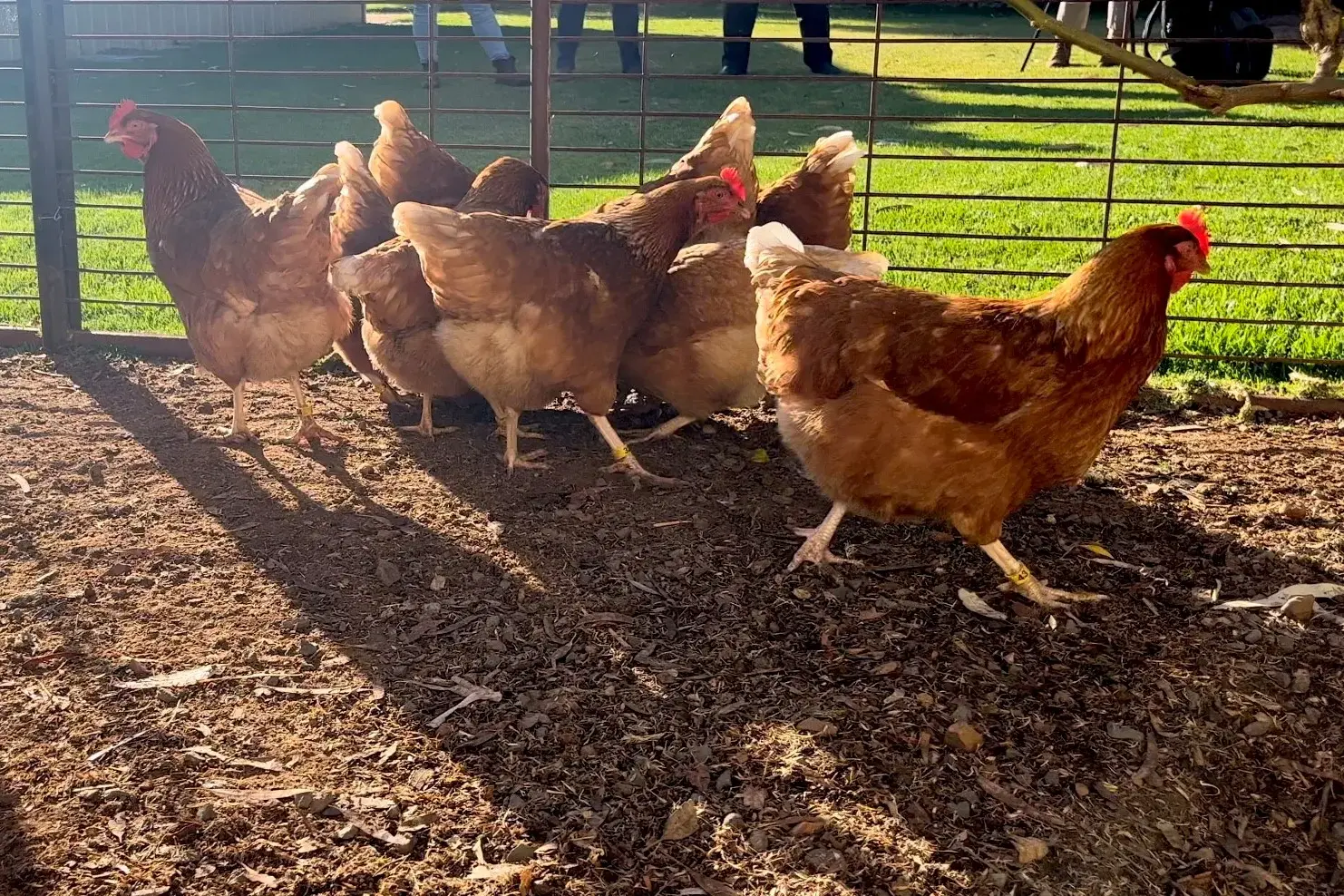
A sentinel chicken is a chicken used in public health surveillance programs to detect the presence of mosquito-borne viruses such as JE and Murray Valley Encephalitis, by testing their blood for antibodies, essentially acting as a early warning system.
Director of Public Health for the Murrumbidgee Local Health District Alison Nikitas said given the widespread area of the detections, anyone living or working in areas at high risk of JE should take steps to protect themselves by avoiding mosquito bites and getting vaccinated.
"There is no specific treatment for JE so it is very important for people who live in or travel to these areas to be aware of the elevated risks," Ms Nikitas said.
"Importantly, there is a safe, effective vaccine to protect against JE virus which is free to anyone who lives or routinely works in various inland regions as well as for people who work in some other high risk occupations."
The JE vaccine is available through general practitioners, Aboriginal health services and pharmacists.
"People who meet the eligibility criteria for vaccination should make an appointment with their GP, Aboriginal Medical Service or pharmacy and let the provider know it is for the JE vaccine," NSW Health said.
"These providers may require a few days notice so they can place an order for the vaccine.
"A booster dose may be recommended for some people.
"People who have been vaccinated more than a year ago should discuss whether they need a booster with healthcare provider."
NSW Health have issued some tips to prevent mosquito bites:
· Apply repellent to exposed skin. Use repellents that contain DEET, picaridin or oil of lemon eucalyptus. Check the label for reapplication times and make sure repellents are safe for children. Most skin repellents are safe for use on children aged three months and older.
· Re-apply repellent regularly, particularly after swimming. Be sure to apply sunscreen first and then apply repellent
· Wear light, loose-fitting long-sleeve shirts, long pants, socks and covered footwear
· Avoid going outdoors during peak mosquito times, especially dawn and dusk
· Use insecticide sprays, vapour dispensing units and mosquito coils to repel mosquitoes (mosquito coils should only be used outdoors in well-ventilated areas)
· Cover windows and doors with insect screens and checking there are no gaps
· Remove items that may collect water such as old tyres and empty pots from around your home to reduce the places where mosquitoes can breed
· Protect infants aged less than three months by using an infant carrier draped with mosquito netting, secured along the edges
· While camping, use a tent that has fly screens to prevent mosquitoes entering or sleep under a mosquito net
Information on eligibility for a free JE vaccine or for further information on JE virus and ways to protect yourself visit https://www.health.nsw.gov.au/mosquitoes.
JE virus cannot be transmitted directly between humans or from any other animal.